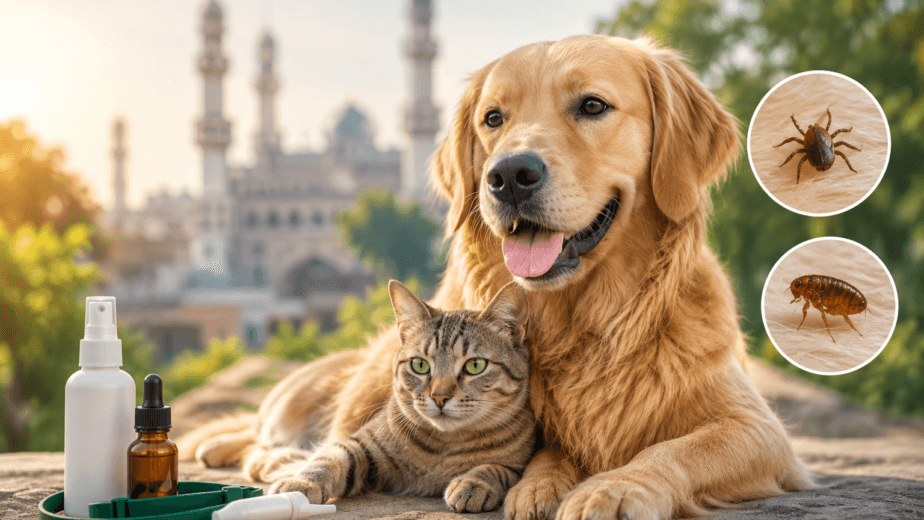

Bringing a cat home for the first time feels exciting, but good cat parenting involves more than providing food and a litter box. Cats have specific nutritional, grooming, behavioral, and healthcare needs that can change with age and lifestyle. In India, you also need to consider hot weather, monsoon humidity, parasites, indoor air quality, and access to safe veterinary care.
At Pawparazzi, we have seen that first-time cat parents often focus on the obvious things, such as food and toys, while overlooking routine grooming, dental care, enrichment, and preventive healthcare. A simple, consistent routine makes a big difference. Here is the approach we recommend to help a new cat settle comfortably and stay healthy.
1. Prepare a Safe, Comfortable Home
Start with a quiet space where your cat can retreat while adjusting. Keep food and water away from the litter box, provide a comfortable sleeping area, and add hiding spots where your cat can relax without being disturbed.
Cats also need opportunities to climb, scratch, explore, and observe their surroundings. A scratching post, cat tree, window perch, interactive toys, and short play sessions can support natural behaviors and reduce boredom.
Secure balconies and windows with proper mesh. Never assume an indoor cat cannot escape. India’s busy roads, unfamiliar surroundings, and heat can make outdoor roaming particularly dangerous.
2. Feed According to Age and Lifestyle
Choose a complete and balanced cat food appropriate for your cat’s life stage. Kittens, adults, seniors, pregnant cats, and cats with specific health conditions can have different nutritional requirements.
Cats are obligate carnivores, so animal-based nutrients play an essential role in their diet. Fresh drinking water should always be available. Wet food can also contribute to daily moisture intake, which is useful because many cats naturally have a low thirst drive.
Avoid suddenly changing food. Introduce a new diet gradually to reduce digestive upset. Do not make milk a routine part of your cat’s diet, and avoid foods such as onions, garlic, chocolate, grapes, raisins, alcohol, and products containing xylitol.
3. Establish a Grooming Routine
Cats spend considerable time grooming themselves, but self-grooming does not eliminate the need for human care. Regular brushing removes loose hair, helps prevent mats, and lets you notice changes in the skin or coat early.
Short-haired cats may need brushing several times a week, while long-haired breeds such as Persians require more frequent attention. In India’s warm and humid climate, neglected coats can become tangled, uncomfortable, and difficult to maintain.
Check the ears, paws, claws, eyes, and coat during routine grooming. Trim claws when needed, but avoid cutting into the quick. Never use human shampoo or household products on your cat. If you notice persistent itching, hair loss, excessive ear debris, bad odor, or skin irritation, consult a veterinarian instead of treating the problem yourself.
4. Keep the Litter Box Clean
Litter box hygiene affects both cleanliness and feline behavior. Place the box somewhere quiet and easily accessible. Scoop waste regularly and clean the box according to the litter type and household routine.
Many cats prefer unscented litter and may dislike strong fragrances. If you have multiple cats, providing multiple litter boxes can reduce competition and stress.
Sudden changes in urination, frequent trips to the box, straining, blood in urine, or urinating outside the box require veterinary attention. Urinary problems can become serious quickly, particularly in male cats.
5. Stay Consistent With Veterinary Care
Your veterinarian should create a preventive healthcare plan based on your cat’s age, health, lifestyle, and exposure risks. Vaccination is not simply an indoor-versus-outdoor decision. Even indoor cats can encounter infectious agents through other animals, travel, boarding, new pets, or contaminated objects. (catvets.com)
Core protection commonly includes vaccines against feline panleukopenia, feline herpesvirus, feline calicivirus, and rabies, while additional vaccination may depend on individual risk. Current international guidance also emphasizes tailoring vaccination schedules to the cat rather than following one universal timetable. (WSAVA)
Discuss deworming, flea and tick prevention, parasite screening, dental examinations, sterilization, and testing for infections such as FeLV and FIV with your veterinarian. Preventive care should change as your cat moves from kittenhood to adulthood and senior years. (catvets.com)
6. Take Dental Health Seriously
Dental care is often overlooked by new cat parents. Plaque and tartar can contribute to gingivitis, periodontal disease, pain, and difficulty eating.
Introduce tooth brushing gradually with a cat-safe toothpaste and toothbrush. Never use human toothpaste. Your veterinarian can also assess your cat’s mouth during routine examinations and recommend professional dental care when necessary.
Bad breath, drooling, difficulty chewing, pawing at the mouth, or reduced appetite can indicate oral discomfort.
7. Understand Cat Behavior
A healthy cat needs more than physical care. Mental stimulation matters too. Use play that encourages chasing, pouncing, climbing, and problem-solving. Rotate toys to maintain interest instead of leaving everything available at once.
Give your cat control over interaction. Some cats enjoy being handled, while others prefer affection on their own terms. Hiding, excessive vocalization, aggression, overgrooming, or sudden changes in behavior can signal stress, illness, or environmental problems.
From our experience at Pawparazzi, the biggest improvement often comes when families stop interpreting normal feline behavior as misbehavior. Scratching, climbing, hiding, and hunting play are natural behaviors. The goal is to redirect them safely rather than punish the cat.
8. Prepare for India’s Climate
Hot summers require extra attention to hydration, ventilation, and access to cool resting areas. Never leave a cat inside a parked vehicle or poorly ventilated room. During monsoon season, maintain dry bedding and watch for dampness, parasites, and skin problems.
Air conditioners and fans can help with comfort, but make sure your cat can move away from direct airflow. Keep windows screened and provide fresh water in multiple accessible locations.
9. Build a Simple Daily Routine
A practical routine does not need to be complicated. Refresh water, provide measured meals, clean the litter box, spend time playing, and observe your cat’s appetite, energy, grooming, urination, and bowel habits.
Once a week, check the coat, ears, claws, eyes, and body condition. Keep vaccination records, veterinary prescriptions, parasite treatments, and medical history organized.
Most importantly, learn what is normal for your individual cat. Changes are often easier to notice when you already understand their usual habits.
Final Thoughts
First-time cat parenting becomes much easier when care becomes a routine rather than a series of emergencies. Good nutrition, grooming, litter hygiene, enrichment, preventive veterinary care, dental maintenance, and a safe home work together to support long-term feline wellbeing.
At Pawparazzi, our approach is simple: understand the cat first, then build care around its individual needs. With patience, observation, and consistent care, you can give your cat a comfortable life and build the kind of trusting relationship that makes sharing your home with a cat so rewarding.