Bringing home a puppy or kitten is exciting, but one thing many pet parents in India overlook is timely vaccination. At Pawparrazzi, we regularly meet owners who assume indoor pets or small breeds do not need full vaccination coverage.
After years of handling grooming appointments, boarding cases, and routine pet care, we have seen how preventable diseases like parvovirus, distemper, and feline panleukopenia can become life-threatening within days. Proper immunization is not just a vet recommendation — it is the foundation of long-term pet health.
This guide covers the complete dog and cat vaccination schedule in India, core vaccines, booster doses, rabies protection, and practical advice every Indian pet parent should know.
Why Vaccinations Are Essential for Pets in India?
India has a high population of stray dogs and free-roaming cats. Because of this, viral and bacterial infections spread quickly through parks, streets, grooming centres, boarding facilities, and even apartment communities. Puppies and kittens have immature immune systems, making them especially vulnerable during the first few months of life.
Vaccines train the immune system to recognize harmful pathogens before real exposure happens. This reduces the risk of severe illness, hospitalization, dehydration, neurological complications, and death.
At Pawparrazzi, we regularly notice that vaccinated pets recover faster from seasonal infections and generally maintain better immunity during monsoon and winter months. Unvaccinated pets tend to suffer more from contagious diseases that spread through saliva, stool, urine, contaminated surfaces, or direct animal contact.
Core Vaccines for Dogs in India
Veterinarians divide canine vaccines into core and non-core categories. Core vaccines are considered essential for almost every dog regardless of breed, lifestyle, or location.
1. DHPPiL — The Combination Vaccine
The primary combination vaccine used in India is the DHPPiL, which protects against:
- Canine Distemper
- Canine Hepatitis (Adenovirus)
- Parvovirus
- Parainfluenza
- Leptospirosis (multiple serovars)
In Indian clinics, you may see this referred to as a 7-in-1 or 9-in-1 vaccine on your pet’s vaccination card.
The 9-in-1 vaccine provides immunity against 9 pathogens — including multiple Leptospira serovars such as pomona, canicola, grippotyphosa, and icterohaemorrhagica — in a single shot.
Among these diseases, parvovirus is one of the most dangerous for puppies. It attacks the intestinal lining and causes severe vomiting, bloody diarrhoea, dehydration, and rapid weakness.
Distemper affects the respiratory and nervous systems and can cause permanent neurological damage.
We once handled a Labrador puppy at Pawparrazzi whose first vaccination was delayed by just a few weeks because the family assumed indoor pets were safe.
The puppy later developed parvo symptoms after a simple walk in a common apartment area. Since then, we always advise new pet parents not to delay the initial vaccine series.
2. Rabies Vaccine
Rabies vaccination is both legally required and medically essential in India. Rabies is a fatal viral disease affecting animals and humans alike, and India accounts for approximately 60% of global rabies deaths — making this vaccine a non-negotiable priority.
Even indoor pets require anti-rabies vaccination because accidental exposure can occur through bites, scratches, or interaction with infected animals.
The first rabies vaccine is typically given at 14 to 16 weeks of age, followed by annual boosters. Some vaccine formulations may allow boosters every three years, but your vet will advise based on the brand and your dog’s exposure risk.
3. Kennel Cough Vaccine
Dogs that frequently visit boarding centres, dog parks, grooming salons, or training facilities may also benefit from protection against kennel cough (Bordetella).
This infection spreads rapidly in close quarters and causes persistent, distressing respiratory symptoms. Breeds with sensitive respiratory systems — such as Pugs, Shih Tzus, and French Bulldogs — often benefit especially from this additional cover.
Complete Puppy Vaccination Schedule in India
The exact timing may vary slightly depending on your veterinarian, the vaccine brand, and your puppy’s health, but this schedule is widely followed across India.
6 to 8 Weeks — Puppy DP (First Visit)
The puppy vaccination series in India typically begins at 6–8 weeks with a Puppy DP vaccine (Distemper and Parvovirus). This initial dose introduces early immune protection at the age when maternal antibodies begin to decline.
8 to 10 Weeks — First DHPPiL
Two weeks after the Puppy DP, the full DHPPiL or 9-in-1 vaccine is given. This broadens protection to include hepatitis, parainfluenza, and leptospirosis.
10 to 12 Weeks — Second DHPPiL Booster
A second dose of the DHPPiL strengthens immunity and improves protection against highly contagious canine diseases as maternal antibodies continue to wane.
14 to 16 Weeks — Third DHPPiL Plus Anti-Rabies Vaccine
The 14–16 week shot seals the primary immunisation cycle. After this stage, a puppy can be considered covered against core diseases. Importantly, puppies should not be taken to public parks or outdoor areas until at least two weeks after this final booster, as full immunity takes time to establish.
The anti-rabies vaccine is also administered at this stage. Many veterinarians discuss optional vaccines during this visit depending on lifestyle and exposure risk.
Annual Booster
Once a dog turns one and has completed the puppy vaccination course, it should follow a schedule of periodic boosters.
Core vaccines like DHPPiL and rabies typically require boosters every one to three years, depending on your vet’s assessment of your dog’s lifestyle, exposure risks, and previous vaccination history.
Annual health checks remain important in India due to higher environmental exposure risks.
Core Vaccines for Cats in India
Cat vaccination schedules differ slightly from dogs, but the principle is the same. Kittens need early immune support because feline viral infections spread quickly and can be fatal.
1. FVRCP (CRP) Vaccine
This is the primary combination vaccine for cats in India. It protects against:
- Feline Viral Rhinotracheitis (Herpesvirus) — causes upper respiratory infections, sneezing, nasal discharge, and fever; can lead to dehydration and secondary infections in kittens
- Calicivirus — causes respiratory illness, oral ulcers, joint pain, and fever; some strains can be fatal in young kittens
- Panleukopenia (feline distemper) — attacks the intestinal lining and bone marrow, causing severe vomiting, diarrhoea, and a critical drop in white blood cell count; many unvaccinated kittens die from this disease.
Note: The Feline Leukaemia Virus (FeLV) vaccine is used in some countries but is not currently available in India.
2. Rabies Vaccine for Cats
Rabies vaccination is equally important for cats. All cats in India require rabies vaccination regardless of indoor or outdoor status, due to the country’s high rabies prevalence and legal requirements in most cities.
Many cat parents assume that strictly indoor cats do not need vaccines. In our experience at Pawparrazzi, this assumption often leads to delayed protection. Airborne viruses, contaminated footwear, and accidental outdoor exposure still create real infection risks.
Complete Kitten Vaccination Schedule in India
6 to 8 Weeks — First FVRCP
Most Indian veterinarians follow WSAVA guidelines and begin the FVRCP series at 6–8 weeks. This timing is critical because maternal antibodies start to wane at this age, and the kitten’s own immune system is ready to start building defences.
10 to 12 Weeks — Second FVRCP Booster
A second dose strengthens the immune response as maternal antibodies continue to decrease.
12 to 16 Weeks — Third FVRCP Plus Anti-Rabies Vaccine
The final phase of the kitten vaccination schedule occurs at 14–16 weeks. The final FVRCP and rabies vaccines are given, completing the primary immunisation series. Kittens become more active and curious during this phase, increasing environmental exposure risk.
Annual Booster
Adult cats require regular booster doses to maintain long-term immunity and disease resistance.
Common Vaccine Side Effects in Dogs and Cats
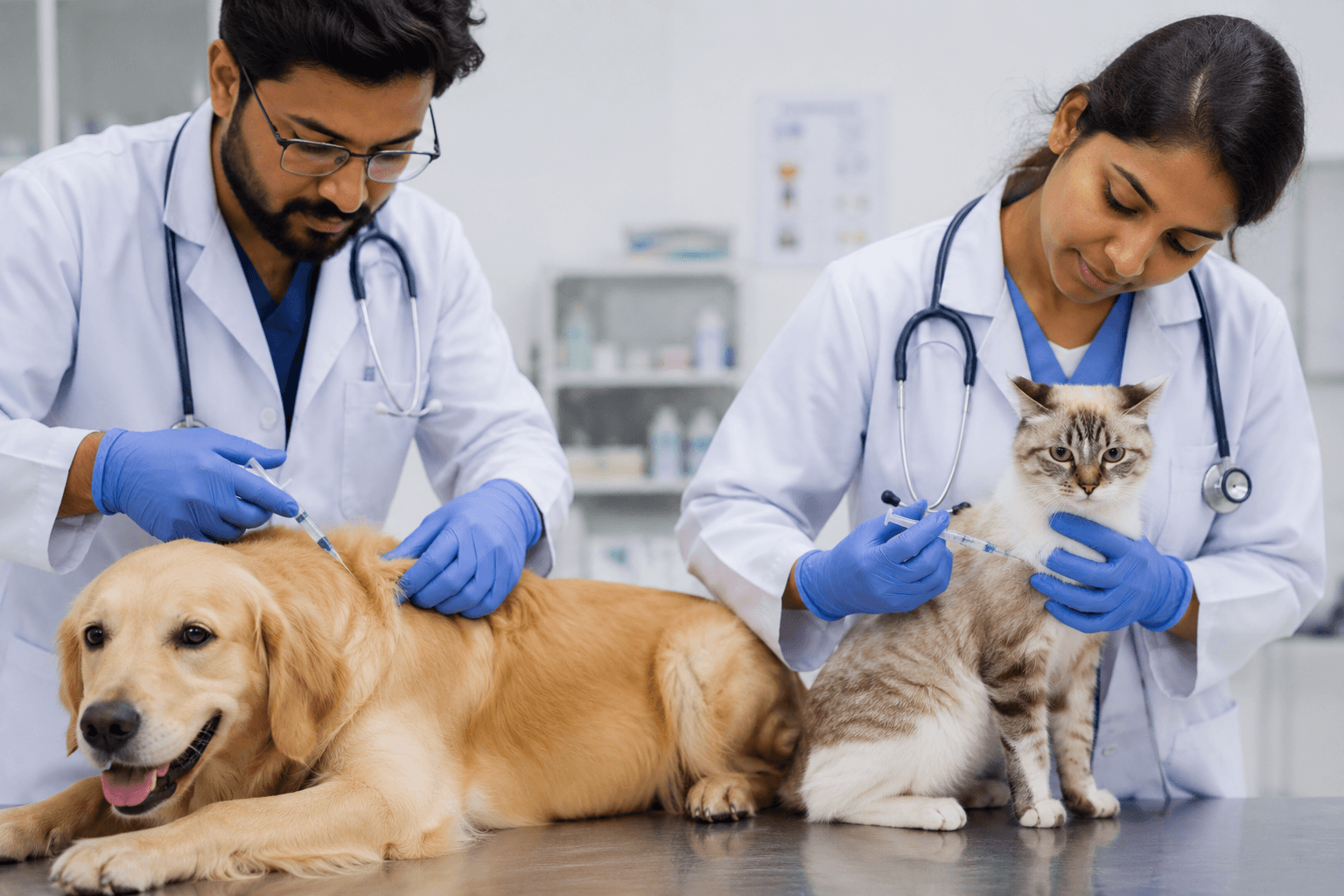
Most pets handle vaccinations very well, but mild side effects can occur for 24 to 48 hours. These are usually temporary and indicate the immune system is responding properly.
Common symptoms include mild fever, sleepiness, reduced appetite, slight swelling near the injection site, and mild discomfort.
At Pawparrazzi, we advise pet parents to avoid intense play, long walks, or grooming sessions on vaccination day. Puppies and kittens usually prefer extra rest during this period.
Severe allergic reactions are rare but require immediate veterinary attention. Watch for vomiting, facial swelling, breathing difficulty, collapse, or persistent diarrhoea after vaccination.
Importance of Deworming Before Vaccination
Vaccination and deworming go hand in hand. Internal parasites such as roundworms, hookworms, and tapeworms weaken the immune system and reduce vaccine effectiveness.
Most Indian veterinarians recommend deworming puppies and kittens every two weeks until three months of age, then monthly until six months. Adult pets typically follow a three-month deworming cycle depending on lifestyle and exposure.
We have seen cases at Pawparrazzi where rescued puppies had poor vaccine response because heavy worm burdens compromised their immunity. Proper parasite control significantly improves overall health, coat quality, digestion, and vaccine protection.
Vaccination Costs in India
Pet vaccination costs vary depending on city, veterinary clinic, vaccine brand, and imported versus domestic formulations. As a general guide:
- Puppy combination vaccine (DHPPiL/9-in-1): ₹600 to ₹1,500
- Rabies vaccine (dogs): ₹300 to ₹700
- Kennel cough vaccine: ₹1,000 to ₹2,500
- Kitten FVRCP (CRP) vaccine: ₹900 to ₹1,800 per dose (brand-dependent)
- Full puppy vaccination series (first year): ₹2,500 to ₹4,500
Many clinics offer vaccination packages that bundle health checks, deworming, and booster reminders, which are often more cost-effective than individual visits.
At Pawparrazzi, we always tell pet parents that preventive care is far more affordable than emergency treatment. Treating severe parvovirus or feline panleukopenia often costs many times more than completing the basic vaccine schedule on time.
Final Thoughts
Vaccinations are one of the most important responsibilities of pet ownership in India. They protect not only your dog or cat but also your family and the wider community by reducing the spread of preventable diseases.
Following the recommended vaccination schedule significantly lowers the risk of life-threatening infections, costly emergency treatments, and long-term health complications. Combined with regular veterinary care and pet grooming, vaccinations help your pet enjoy a healthier, happier, and more comfortable life.
At Pawparazzi, we’ve seen firsthand how vaccinated pets stay healthier, socialise more confidently, and recover more quickly from common illnesses. Along with professional pet grooming, regular deworming, balanced nutrition, and routine veterinary check-ups, timely vaccinations are essential for your pet’s overall wellbeing.