
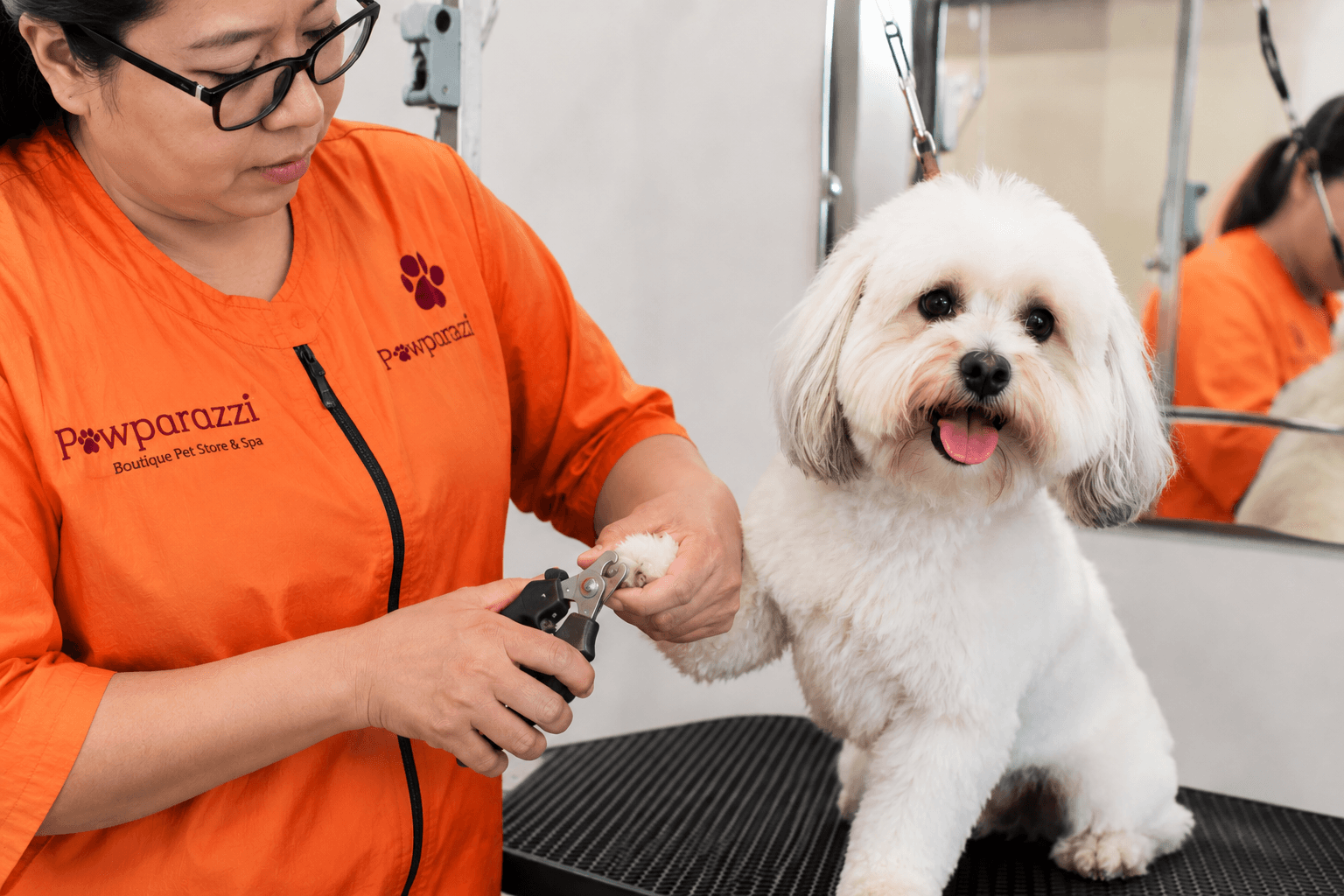
Many dog owners focus on feeding, bathing, and exercise but often ignore nail care until their pet starts slipping on the floor or avoiding walks. In reality, regular nail trimming is an important part of dog grooming and overall paw health.
Overgrown nails can put pressure on the joints, affect posture, and make walking uncomfortable, especially for indoor dogs and senior pets. At Pawparrazzi, we regularly meet pet parents who are surprised to learn that long nails can even contribute to pain and mobility issues over time.
From our experience handling different breeds, many dogs become anxious during nail trimming because of past bad experiences or incorrect techniques used at home. That is why understanding the right way to trim dog nails safely matters so much.
In this guide, you’ll learn how to trim your dog’s nails safely at home, the best tools to use, mistakes to avoid, and when it’s better to seek professional pet grooming in Madhapur or Nallagandla or visit your veterinarian.
Signs Your Dog’s Nails Need Immediate Attention
Many pet owners wait too long because they are unsure about the correct nail length. Some common signs clearly indicate it is time for grooming.
Clicking Sounds on Floors
One of the easiest signs to notice is the clicking sound on tile or wooden flooring. Properly trimmed nails should barely touch the ground.
Curved or Hooked Nails
Long nails start curving inward. In severe cases, they can grow into the paw pad and cause infection, swelling, or limping.
Difficulty Walking or Standing
Overgrown nails change weight distribution. This puts extra stress on joints, especially the wrists and toes. Older dogs may develop discomfort faster.
Paw Licking and Sensitivity
Dogs sometimes lick their paws repeatedly when nails become uncomfortable. Some pets also resist walking or become nervous during handling.
At Pawparrazzi, we once handled a Labrador whose nails had become so long that the paw alignment changed slightly.
After gradual trimming sessions over several weeks, the dog started walking more comfortably again. Situations like this show how nail care directly affects mobility and long-term orthopedic health.
Essential Tools for Safe Dog Nail Trimming
Using the correct grooming tools makes the process safer and less stressful for both the dog and the owner.
Nail Clippers
Scissor-style clippers work well for large breeds with thick nails. Guillotine clippers are often preferred for smaller dogs.
Dog Nail Grinder
A nail grinder smooths rough edges and helps shorten nails gradually. Many anxious dogs tolerate grinders better than clippers because the process feels less sudden.
Styptic Powder
Even experienced groomers occasionally nick the quick. Styptic powder helps stop bleeding quickly.
Treats and Positive Reinforcement
High-value treats help create a positive grooming association. Calm praise also reduces fear and anxiety.
Good Lighting
Proper visibility is essential, especially for dogs with black nails where the quick is difficult to see.
Cheap or dull grooming tools can crush the nail instead of cutting cleanly. This creates discomfort and splintering. Professional-grade equipment usually delivers smoother results with less pressure.
How to Trim Dog Nails Safely at Home
Many owners feel nervous about trimming nails or grooming at home, especially during the first few attempts. The safest approach is slow, calm, and gradual.
Start by Handling the Paws Regularly
Dogs become more cooperative when paw touching becomes normal. Gently hold the paws during cuddle sessions and reward calm behavior.
Identify the Quick Before Cutting
Light-colored nails make the quick easier to spot because it appears pink inside the nail. Dark nails require extra caution. Trim tiny sections at a time instead of making large cuts.
Use Small Controlled Trims
Cut only the curved tip first. After each trim, inspect the center of the nail. A gray or whitish center usually means more trimming is safe. A dark circle indicates the quick is getting close.
Keep Sessions Short
Some dogs tolerate only one or two nails initially. That is completely normal. Short positive sessions work better than forcing a full grooming routine.
Smooth Rough Edges
Using a grinder afterward can round sharp corners and reduce scratching.
One mistake we often see at Pawparrazzi is owners attempting aggressive trimming to avoid frequent maintenance. Unfortunately, cutting too deep creates pain and fear. After one bad experience, many dogs become resistant to future grooming.
How Often Should You Trim Your Dog’s Nails?
Nail growth varies by breed, activity level, age, and walking surfaces. Most dogs need trimming every three to six weeks.
Small indoor breeds such as Shih Tzus, Pugs, Maltese, and Dachshunds often require more frequent sessions because they spend less time naturally filing nails outdoors.
Senior dogs also need closer monitoring. Reduced activity leads to faster nail overgrowth. Arthritis can make long nails especially painful because they change the paw angle during movement.
Puppies benefit from early nail handling and short trimming sessions. Early exposure reduces grooming anxiety later in life.
Weather also affects nail wear. During rainy seasons or extreme heat, dogs may walk less outside, which reduces natural nail filing.
Common Nail Trimming Mistakes Dog Owners Make
Several grooming mistakes increase the risk of pain, stress, or injury.
Cutting too much at once is the most common problem. The quick may bleed heavily and create fear around future grooming.
Rushing the process can also increase anxiety. Dogs respond to body language and tension. Nervous handling often makes pets uncomfortable.
Ignoring dewclaws is another frequent issue. Dewclaws do not touch the ground regularly, so they can overgrow faster than other nails.
Some owners also use human nail cutters. These tools are not designed for canine nail thickness or shape.
Another mistake involves skipping maintenance for months and then trying to fix everything in one session. Gradual shortening works far better because the quick slowly recedes over time.
Why Some Dogs Fear Nail Trimming
Fear usually develops from discomfort, restraint, loud grinder noise, or past painful experiences. Rescue dogs may already have negative grooming memories.
Dogs sensitive to sound may dislike electric grinders. Others become stressed by having their paws restrained. Building trust matters more than speed.
At Pawparrazzi, we often recommend desensitization training for anxious dogs. Simple steps like touching the paw, rewarding calmness, and introducing clippers gradually can dramatically improve cooperation over time.
When to See a Professional Dog Groomer or Veterinarian
Home nail trimming works well for many dogs, but some situations require professional help. Knowing when to stop and seek assistance protects your dog from unnecessary pain or injury.
Extremely Long Nails
If the nails have curled significantly or changed the dog’s walking posture, professional trimming is safer. Groomers can gradually shorten them over multiple sessions without damaging the quick.
Black or Thick Nails
Dark nails make it difficult to locate the quick. Large breeds such as Rottweilers, German Shepherds, and Cane Corsos may also have thick nails that require stronger equipment and experience.
Aggressive or Highly Anxious Dogs
Some dogs panic during grooming. Others may snap, pull away, or struggle intensely. In these cases, professional groomers use safer handling techniques and controlled restraint methods to minimize stress.
Bleeding or Nail Injuries
Cracked nails, torn dewclaws, or bleeding around the nail bed may require veterinary treatment. Broken nails can expose sensitive tissue and lead to bacterial infection.
Underlying Health Conditions
Dogs with arthritis, hip dysplasia, mobility issues, or neurological disorders often need specialized positioning during grooming sessions.
At Pawparrazzi, we once worked with a senior Beagle that developed severe anxiety during nail trimming after a painful experience elsewhere.
Instead of forcing the session, we used short weekly desensitization appointments with treats, calm handling, and gradual exposure. Within a month, the dog became noticeably more relaxed. Patience often matters more than technique alone.
Nail Grinding vs Nail Clipping: Which Is Better?
Both methods have benefits, and the right choice depends on the dog’s temperament, nail type, and owner comfort level.
Benefits of Nail Clippers
Clippers are fast and efficient. They work especially well for dogs comfortable with paw handling. Groomers often use them for initial length reduction.
Benefits of Nail Grinders
Grinders create smoother edges and lower the risk of sharp splinters. They also allow gradual shortening, which is useful for black nails or nervous dogs.
Many professional groomers combine both methods. Clippers shorten the nail quickly, while grinders smooth and refine the shape afterward.
Some dogs dislike the vibration or sound of grinders. Others fear the pressure from clippers. Testing both methods helps identify what works best for your pet.
Breed-Specific Nail Care Considerations
Different dog breeds have unique grooming requirements.
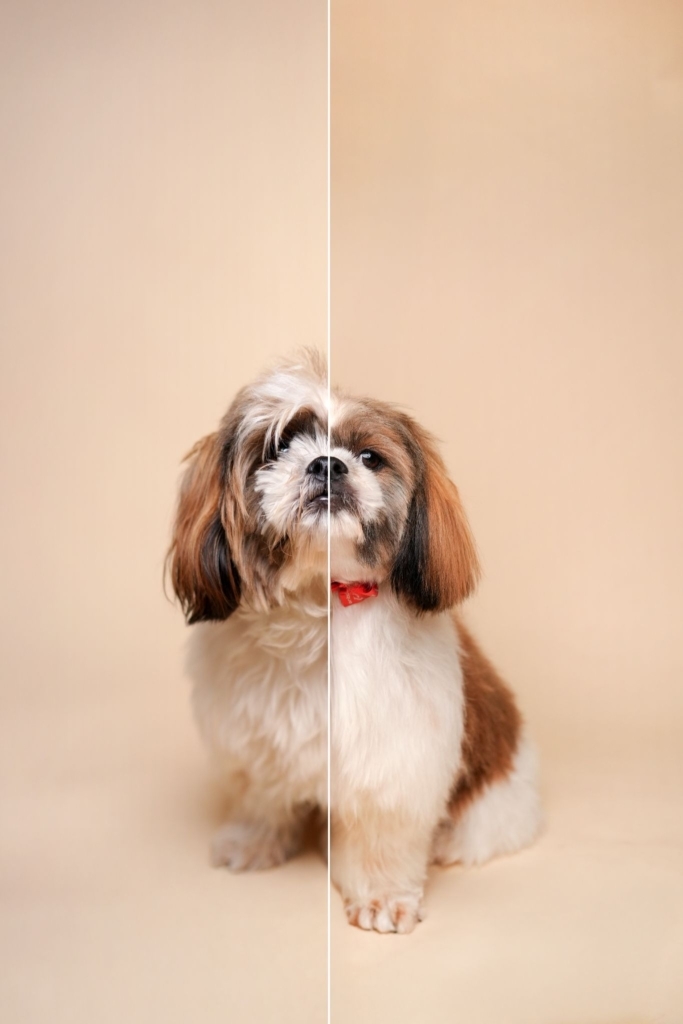
Small companion breeds often need more frequent trimming because they spend more time indoors. Breeds with fluffy paws, such as Shih Tzus or Lhasa Apsos, may hide overgrown nails beneath fur.
Working dogs and highly active breeds naturally file their nails more through outdoor activity. However, dewclaws still require monitoring.
Sighthounds like Greyhounds and Whippets tend to have naturally long-looking feet, but nail length still needs regular assessment.
Flat-faced breeds such as Pugs and Bulldogs may resist restraint because of breathing sensitivity. Short calm sessions work better for them.
Senior dogs deserve extra attention because aging joints become more sensitive to posture changes caused by long nails.
What Happens if Dog Nails Are Never Trimmed?
Neglected nail care can cause more than cosmetic problems.
Overgrown nails place constant pressure on the toe joints and paw structure. This may contribute to discomfort during walking, slipping on smooth surfaces, and reduced mobility.
Long nails can split or crack painfully. In severe cases, curled nails may puncture the paw pad and create open wounds.
Posture changes caused by chronic nail overgrowth may also affect shoulder and spine alignment over time. Dogs compensate by shifting weight unnaturally.
We have seen cases at Pawparrazzi where owners assumed limping was caused by aging, but proper nail trimming noticeably improved the dog’s movement within days.
Tips to Make Nail Trimming Easier
Simple adjustments can improve the grooming experience significantly.
Exercise your dog before trimming. A tired dog stays calmer and cooperates better.
Choose a quiet environment with minimal distractions. Loud television sounds or crowded spaces increase stress levels.
Touch the paws frequently even when not trimming nails. Familiarity reduces defensive behavior.
Reward calmness immediately after each nail. Positive reinforcement helps create long-term trust.
Stay relaxed during the process. Dogs often mirror human tension.
For highly anxious pets, trimming one paw per day may work better than completing everything at once.
Some owners also use lick mats with peanut butter or healthy dog-safe treats to keep the dog occupied during grooming.
Final Thoughts
Nail trimming is not just a cosmetic grooming task. It plays an important role in canine comfort, posture, mobility, and overall paw health. Regular maintenance prevents pain, improves walking stability, and reduces the risk of injuries or infections.
Safe trimming starts with patience, proper tools, and understanding canine anatomy. Small consistent sessions usually produce better results than rushed grooming attempts.
In our daily work at Pawparrazzi, we often remind pet parents that successful grooming is built on trust. Dogs rarely become comfortable overnight, but gentle handling and positive experiences can completely change their reaction over time.
If you feel uncertain about trimming your dog’s nails safely, seeking help from a qualified groomer or veterinarian is always the better choice. A calm, pain-free experience matters far more than trying to do everything alone.
At Pawparrazzi, we believe grooming should always be a positive experience for every pet. If you’re in Madhapur or Nallagandla and need assistance with nail trimming or full-service pet grooming, our experienced groomers are happy to help keep your dog comfortable, healthy, and looking their best.