
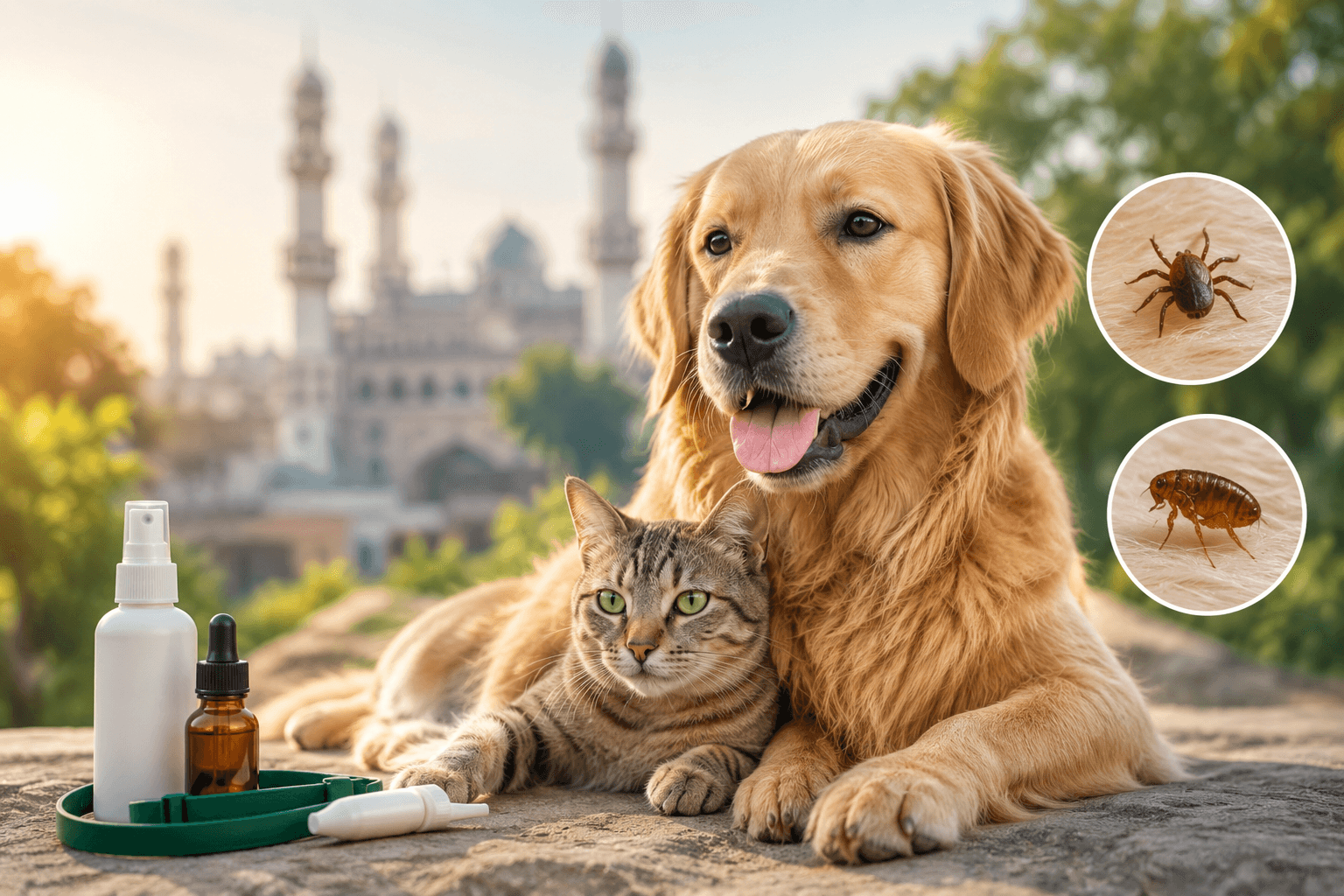
Hyderabad’s climate creates the perfect environment for ticks and fleas almost throughout the year. Warm temperatures, sudden humidity, monsoon moisture, and dusty outdoor areas allow parasites to multiply quickly.
Many pet parents notice excessive scratching only after the infestation becomes serious, but by then the problem usually spreads to bedding, carpets, sofas, and even other pets at home.
At Pawparrazzi Boutique Pet Store & Spa, we regularly meet dog and cat owners who assume tick problems only happen during monsoon. In reality, Hyderabad pets remain vulnerable in every season. We have personally seen indoor dogs develop heavy flea infestations simply because a single infected pet visited a park, grooming center, or apartment corridor.
Understanding seasonal prevention helps reduce skin infections, itching, hair fall, tick fever, and stress in pets. A proper prevention routine also lowers the chances of home infestation and expensive veterinary treatment later.
Why Tick and Flea Problems Are Common in Hyderabad
Hyderabad has long summers, moderate winters, and humid rainy months. These weather conditions support the life cycle of external parasites like brown dog ticks, fleas, mites, and larvae. Ticks hide in grass patches, cracks, garden soil, furniture corners, pet bedding, and shaded outdoor spaces. Fleas reproduce rapidly in warm environments and survive surprisingly well inside apartments.
Pets that frequently visit parks, daycare facilities, pet boarding centers, or grooming salons face higher exposure. Street animals in residential areas also contribute to parasite spread. Even fully indoor cats and apartment dogs can accidentally bring ticks home through shoes, clothing, elevators, or shared spaces.
Common signs include:
- Constant scratching or licking
- Red skin patches
- Hair thinning near the tail or ears
- Small black flea dirt particles
- Visible ticks around the neck, paws, and underarms
- Restlessness and disturbed sleep
- Skin odor or irritation
Many Hyderabad pet parents initially mistake these symptoms for allergies or heat rash. Early identification prevents larger infestations.
Summer Tick Prevention Tips for Hyderabad Pets
Summer in Hyderabad usually starts early and temperatures rise aggressively. Heat alone does not eliminate ticks. Instead, parasites seek cooler shaded areas like pet fur, bedding, under furniture, and garden corners.
Focus on Regular Coat Inspection
At Pawparrazzi, we often recommend quick coat checks after evening walks. Ticks usually attach around hidden areas such as:
- Behind ears
- Between paw pads
- Under collars
- Groin area
- Tail base
- Underarms
Golden Retrievers, Shih Tzus, Huskies, Labradors, and long-haired breeds need extra attention because dense coats make ticks difficult to spot.
Using a flea comb once or twice weekly helps detect parasites before infestation grows. Early removal reduces the risk of tick-borne diseases such as ehrlichiosis and babesiosis.
Maintain a Clean Sleeping Area
Parasites rarely stay only on the pet. Eggs and larvae often hide in mattresses, blankets, rugs, cushions, and sofa corners. Vacuuming floors and washing pet bedding in hot water significantly lowers flea survival.
We personally noticed many recurring flea cases disappear after owners focused more on environmental cleaning rather than only medicated shampoos.
Use Vet Approved Preventive Products
Preventive treatments work best before infestation becomes severe. Options commonly recommended by veterinarians include:
- Tick collars
- Spot-on treatments
- Oral chewable medicines
- Anti-tick sprays
- Medicated shampoos
Product selection depends on breed, age, coat type, lifestyle, and medical history. Cats require specially formulated products because some dog medications can be toxic to felines.
Avoid using random home remedies from social media without veterinary guidance. Essential oils, kerosene, or concentrated disinfectants may irritate skin and worsen the problem.
Monsoon Season Creates Peak Tick Activity
Rainy months bring the highest parasite activity in Hyderabad. Moisture increases flea reproduction and allows ticks to survive longer outdoors. Wet fur also increases fungal infections and bacterial skin irritation.
During monsoon grooming sessions at Pawparrazzi, we commonly observe hidden tick clusters around damp coat areas, especially in dogs with thick undercoats.
Dry Fur Properly After Walks
Wet paws and damp fur create ideal breeding conditions for parasites. Always towel dry pets after rain exposure. Pay close attention to:
- Paw pads
- Belly fur
- Tail area
- Ear folds
Moisture trapped inside the coat often causes itching and secondary infections.
Increase Grooming Frequency
Professional grooming during monsoon helps remove loose fur, flea dirt, dead skin, and hidden ticks. Bathing with anti-tick shampoo alone is not enough if coat drying remains incomplete.
Regular brushing also improves skin airflow and allows easier inspection for bites or irritation.
Watch for Tick Fever Symptoms
Tick bites sometimes transmit dangerous infections. Several Hyderabad pet owners approach grooming centers after noticing weakness or appetite loss, only to later discover tick fever.
Warning signs include:
- Fever
- Low energy
- Pale gums
- Loss of appetite
- Joint pain
- Sudden lethargy
Immediate veterinary attention becomes necessary if these symptoms appear.
Winter Does Not Mean Tick-Free Season
Many people relax their prevention routine during Hyderabad winters because visible ticks become less common. However, fleas and indoor parasites often remain active inside homes, especially in warm apartments.
Indoor heating, blankets, carpets, and upholstery help fleas survive comfortably.
Skipping preventive medication during winter often causes infestations to rebound strongly before summer. Consistency matters more than seasonal panic treatment.
Indoor Hygiene Still Matters
Winter prevention should focus heavily on indoor sanitation. Wash blankets, disinfect sleeping corners, and vacuum fabric surfaces regularly. Cats especially spend more time resting indoors during cooler weather, increasing flea exposure inside the home environment.
Continue Monthly Preventive Care
Veterinarians usually advise year-round parasite prevention instead of seasonal treatment. Consistent protection interrupts the flea life cycle and prevents reinfestation.
Pet parents sometimes stop preventive treatments after seeing improvement, but surviving eggs can restart infestation within weeks.
How to Protect Puppies and Kittens From Ticks and Fleas
Young pets are more vulnerable to parasite-related complications because their immune systems are still developing. Puppies and kittens can develop skin irritation, anemia, weakness, and digestive stress much faster than adult pets.
At Pawparrazzi Boutique Pet Store & Spa, we often advise new pet parents not to experiment with strong anti-tick products on very young animals. Some chemical treatments that are safe for adult dogs may become dangerous for small puppies or kittens.
Start With Hygiene and Controlled Exposure
Young pets should avoid heavily contaminated outdoor areas, especially during monsoon. Shared apartment lawns, muddy parks, and areas frequented by stray animals increase parasite exposure.
Basic preventive habits help significantly:
- Wash bedding frequently
- Keep feeding areas clean
- Brush the coat gently
- Inspect ears and paws daily
- Limit contact with infected animals
Vaccination visits and routine vet checkups also help detect skin or parasite issues early.
Choose Age Appropriate Tick Treatments
Always follow veterinary recommendations for dosage and product selection. Weight, breed size, and age matter while selecting flea and tick prevention medicine.
Using excessive anti-tick sprays or low-quality powders can trigger skin sensitivity, vomiting, or breathing discomfort in smaller pets.
Best Daily Habits for Long-Term Tick Prevention
Consistent small habits protect pets more effectively than emergency treatment after infestation spreads.
Keep Walk Timing Smart
Avoid tall grass, damp empty plots, and muddy park corners during peak parasite seasons. Morning dew and post-rain moisture often increase tick activity.
Brush the Coat Frequently
Brushing improves blood circulation, removes loose fur, and helps identify parasites early. Long-haired breeds benefit the most from routine brushing.
Wash Pet Accessories Regularly
Leashes, collars, harnesses, toys, blankets, and carriers collect flea eggs and dirt over time. Cleaning accessories regularly reduces reinfestation risk.
Maintain Skin Health Through Nutrition
Healthy skin creates stronger resistance against irritation and infection. Balanced nutrition containing omega fatty acids, protein, vitamins, and hydration supports coat quality naturally.
Pets with poor nutrition often experience more severe itching and skin sensitivity after flea bites.
When You Should Visit a Veterinarian Immediately
Some infestations become serious medical problems if ignored. Veterinary support becomes necessary when pets show:
- Persistent scratching despite treatment
- Bleeding skin
- Hair loss patches
- Fever
- Weight loss
- Weakness
- Swollen skin
- Loss of appetite
- Continuous ear scratching
Tick-borne illnesses can affect blood cells and overall immunity. Delayed treatment sometimes leads to long recovery periods.
At Pawparrazzi, we usually encourage pet parents to treat unusual scratching seriously instead of waiting several weeks. Early intervention saves money, stress, and discomfort for both pets and owners.
Final Thoughts
Tick and flea prevention in Hyderabad requires seasonal awareness, regular pet grooming, environmental hygiene, and consistent preventive care. The city’s warm weather and changing humidity allow parasites to remain active throughout the year, making routine protection essential for both dogs and cats.
From our experience at Pawparrazzi Boutique Pet Store & Spa, the healthiest pets usually follow simple but consistent routines. Regular coat checks, proper grooming, clean bedding, balanced nutrition, and vet-approved prevention products make a noticeable difference over time.
Many infestations start small and quietly spread inside the home before symptoms become obvious. Staying proactive helps protect your pet’s skin, comfort, energy levels, and overall well-being in every season.